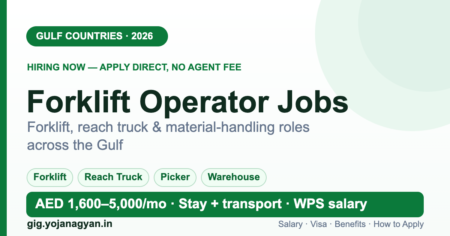
Factory worker jobs in Bahrain provide stable employment opportunities across manufacturing plants, food processing factories, aluminium industries, steel manufacturing, plastics, packaging, chemicals, furniture production, textiles, and industrial assembly facilities. Factory workers play an important role in production, packaging, machine operation, quality inspection, warehouse support, and material handling. Bahrain’s growing manufacturing sector continues to create demand for production workers, machine operators, factory helpers, and warehouse staff.
Bahrain Manufacturing Industry Snapshot
| Category | Details |
|---|---|
| Industry | Manufacturing & Industrial Production |
| Primary Keyword | Factory Workers Jobs in Bahrain |
| Employment Type | Full-Time & Shift Based |
| Career Level | Fresher to Factory Manager |
| Major Departments | Production, Packaging, Assembly, Warehouse, Quality Control |
| Major Industrial Areas | Hidd, Sitra, Salman Industrial City, Askar, Manama |
| Career Growth | Factory Helper → Production Worker → Machine Operator → Supervisor → Factory Manager |
| Technologies Used | Automation, Robotics, ERP Systems, Smart Manufacturing |
Factory Manufacturing Industry in Bahrain
Manufacturing is one of Bahrain’s major economic sectors, supporting aluminium production, steel manufacturing, food processing, plastics, packaging, construction materials, chemicals, and industrial engineering. Factory workers are employed to operate production lines, package finished products, inspect quality, handle raw materials, maintain workplace safety, and support warehouse operations.
Modern factories increasingly use automated production systems, industrial robots, barcode tracking, digital quality control systems, ERP software, warehouse management systems, and smart manufacturing technologies to improve efficiency and product quality.
Major Manufacturing Employers
Factory workers may find opportunities with manufacturing companies, industrial plants, food processing companies, and production facilities.
Major employers include:
- Aluminium Bahrain (Alba)
- Bahrain Steel
- Gulf Aluminium Rolling Mill (GARMCO)
- Bahrain Petroleum Company (Bapco)
- Gulf Petrochemical Industries Company (GPIC)
- BASF Plastic Additives Middle East
- Al Manaratain
- Haji Hassan Group
- Kraftren Manufacturing
- Legend Paints
- Bahrain Flour Mills
- Delmon Poultry
- Mondelez Bahrain
- Nestlé Bahrain
- Coca-Cola Bottling Bahrain
Large industrial employers recruit factory workers, production operators, quality inspectors, maintenance technicians, warehouse assistants, and packaging staff throughout the year.
Factory Departments
Production Department
Responsibilities include:
- Machine Operation
- Assembly Line Work
- Product Manufacturing
- Material Feeding
- Equipment Monitoring
- Production Reporting
Packaging Department
Responsibilities include:
- Product Packing
- Labelling
- Sealing
- Carton Preparation
- Palletizing
- Dispatch Preparation
Warehouse Department
Responsibilities include:
- Material Handling
- Inventory Support
- Loading & Unloading
- Stock Movement
- Barcode Scanning
- Storage Management
Quality Control Department
Responsibilities include:
- Product Inspection
- Defect Identification
- Quality Testing
- Documentation
- Production Monitoring
- Compliance Checks
Popular Factory Worker Jobs
| Job Role | Primary Responsibilities |
|---|---|
| Factory Worker | General Production |
| Production Worker | Manufacturing Operations |
| Factory Helper | Production Support |
| Machine Operator | Equipment Operation |
| Packaging Worker | Product Packing |
| Assembly Line Worker | Product Assembly |
| Warehouse Assistant | Inventory Support |
| Quality Inspector | Product Inspection |
| Forklift Operator | Material Handling |
| Production Supervisor | Team Supervision |
Estimated Salary
| Job Role | Estimated Monthly Salary (BHD) |
|---|---|
| Factory Helper | 180 – 250 |
| Factory Worker | 200 – 300 |
| Production Worker | 220 – 350 |
| Packaging Worker | 200 – 300 |
| Assembly Line Worker | 220 – 320 |
| Machine Operator | 280 – 450 |
| Warehouse Assistant | 250 – 380 |
| Quality Inspector | 350 – 600 |
| Production Supervisor | 600 – 900 |
| Factory Manager | 1200 – 2500 |
Actual salaries vary depending on employer, industry, overtime, experience, shift allowances, and job responsibilities. Many employers also provide accommodation, transportation, overtime pay, medical insurance, and annual leave as part of the employment package.
Why Factory Worker Careers Are Growing
Bahrain continues investing in industrial manufacturing, aluminium production, food processing, logistics, chemicals, construction materials, and export-oriented manufacturing. As factories adopt Artificial Intelligence (AI), industrial automation, smart manufacturing, IoT sensors, robotics, cloud-based production management, ERP software, warehouse management systems, HRMS, payroll automation, Business Intelligence, supply chain management, commercial banking, and industrial insurance solutions, demand for skilled factory workers and production staff is expected to remain strong.
Factory Worker Salary in Bahrain
Factory worker salaries in Bahrain depend on the industry, employer, experience, technical skills, overtime, and shift patterns. Manufacturing companies in aluminium, food processing, plastics, steel, packaging, chemicals, and engineering often provide additional benefits such as accommodation, transportation, medical insurance, overtime pay, and annual leave.
| Job Role | Estimated Monthly Salary (BHD) |
|---|---|
| Factory Helper | 180 – 250 |
| Factory Worker | 200 – 300 |
| Production Worker | 220 – 350 |
| Packaging Worker | 200 – 300 |
| Assembly Line Worker | 220 – 320 |
| Warehouse Assistant | 250 – 380 |
| Machine Operator | 280 – 450 |
| Quality Inspector | 350 – 600 |
| Production Supervisor | 600 – 900 |
| Factory Manager | 1200 – 2500 |
Actual salaries vary according to employer, industry, qualifications, overtime, production targets, and work experience.
Entry-Level Factory Jobs
Many manufacturing companies recruit freshers for entry-level production positions.
Popular entry-level jobs include:
- Factory Helper
- Factory Worker
- Production Worker
- Packaging Worker
- Assembly Line Worker
- Material Handler
- Warehouse Assistant
- Production Assistant
- Machine Operator Trainee
- Quality Inspection Assistant
Most employers provide practical induction training before assigning production duties.
Educational Qualifications
Educational requirements differ depending on the manufacturing role.
| Qualification | Suitable Positions |
|---|---|
| Secondary School | Factory Helper |
| High School Certificate | Production Worker |
| Technical Certificate | Machine Operator |
| Diploma | Quality Inspector |
| Engineering Diploma | Production Supervisor |
| Bachelor’s Degree | Factory Manager |
Technical qualifications improve opportunities for machine operation and supervisory positions.
Professional Skills Required
Successful factory workers require operational, technical, and safety-related skills.
Operational Skills
- Production Line Operations
- Packaging
- Assembly Work
- Material Handling
- Machine Operation
- Product Inspection
- Time Management
- Teamwork
- Quality Awareness
- Workplace Safety
- Productivity
- Attention to Detail
Technical Skills
Modern manufacturing plants increasingly rely on digital technologies.
Important technical skills include:
- Automated Production Equipment
- Barcode Scanners
- Warehouse Management Systems
- ERP Software
- Manufacturing Execution Systems
- Quality Inspection Software
- Digital Production Reporting
- Basic Computer Skills
- Mobile Workforce Applications
- Industrial Automation
Daily Responsibilities
Factory workers perform a variety of production and support activities during each shift.
Daily responsibilities include:
- Operating Production Lines
- Feeding Raw Materials
- Packaging Finished Products
- Inspecting Product Quality
- Labelling Products
- Loading Materials
- Maintaining Workplace Cleanliness
- Reporting Equipment Issues
- Following Production Schedules
- Recording Production Data
- Following Safety Procedures
- Supporting Warehouse Operations
Maintaining quality and productivity helps factories achieve manufacturing targets.
Working Hours & Shift Patterns
Factories generally operate multiple shifts.
Common schedules include:
- Morning Shift
- Afternoon Shift
- Night Shift
- Rotational Shift
- Weekend Shift
- Overtime Shift
Many factories operate twenty-four hours a day, requiring flexible shift availability.
Employee Benefits
Manufacturing companies often provide comprehensive employee benefits.
Common benefits include:
- Competitive Salary
- Overtime Pay
- Shift Allowance
- Accommodation
- Transportation
- Medical Insurance
- Annual Leave
- End of Service Benefits
- Paid Training
- Uniform Provided
- Safety Equipment
- Internal Promotions
Benefits vary depending on employer policies and employment contracts.
Manufacturing Technology
Modern factories increasingly use advanced manufacturing technologies.
Key technologies include:
- Industrial Robotics
- Artificial Intelligence
- Smart Manufacturing
- IoT Sensors
- Automated Packaging
- Digital Production Monitoring
- Machine Vision Systems
- Predictive Maintenance
- Cloud Manufacturing Platforms
- Energy Management Systems
Technology improves productivity, quality, workplace safety, and operational efficiency.
Enterprise Software Used
Large manufacturing companies use enterprise software to manage production and business operations.
| Software | Business Function |
|---|---|
| SAP ERP | Manufacturing Operations |
| Oracle ERP Cloud | Enterprise Management |
| Microsoft Dynamics 365 | Production Planning |
| Siemens Opcenter MES | Manufacturing Execution |
| IBM Maximo | Asset Management |
| Warehouse Management System (WMS) | Inventory Control |
| HRMS | Human Resource Management |
| Payroll Software | Salary Processing |
| Power BI | Manufacturing Analytics |
| Tableau | Business Intelligence |
Knowledge of digital manufacturing systems improves career advancement opportunities.
Banking & Industrial Finance
Manufacturing companies depend on financial institutions for industrial growth.
Common financial services include:
- Commercial Banking
- Industrial Loans
- Equipment Finance
- Machinery Leasing
- Working Capital Finance
- Export Finance
- Supply Chain Finance
- Trade Finance
- Corporate Banking
- Digital Banking
These financial services support factory expansion, automation projects, equipment purchases, and production capacity.
Insurance Ecosystem
Factories use multiple insurance products to protect operations.
Common insurance coverage includes:
- Industrial Property Insurance
- Machinery Insurance
- Commercial Vehicle Insurance
- Public Liability Insurance
- Product Liability Insurance
- Business Interruption Insurance
- Health Insurance
- Life Insurance
- Workers Compensation Insurance
- Cyber Insurance
Insurance protects manufacturing facilities, equipment, employees, inventory, and business continuity.
Career Growth Roadmap
Factory workers can build rewarding careers through experience, technical training, and strong performance.
Factory Helper
        │
        ▼
Factory Worker
        │
        ▼
Machine Operator
        │
        ▼
Senior Machine Operator
        │
        ▼
Production Supervisor
        │
        ▼
Production Manager
        │
        ▼
Factory Manager
Professionals may also specialize in:
- Production Planning
- Quality Control
- Industrial Engineering
- Warehouse Operations
- Supply Chain Management
- Maintenance Engineering
- Automation Technology
- Lean Manufacturing
- Health & Safety
- Operations Management
Future Outlook
Factory worker jobs in Bahrain are expected to remain in demand as manufacturing, aluminium production, food processing, industrial engineering, logistics, and export industries continue expanding. Modern factories increasingly use Artificial Intelligence (AI), Industrial Internet of Things (IIoT), robotics, cloud computing, ERP software, Manufacturing Execution Systems (MES), Warehouse Management Systems (WMS), HRMS, payroll automation, Business Intelligence, predictive maintenance, cybersecurity, and smart production technologies to improve efficiency. Workers who develop production, machine operation, quality control, safety, and digital manufacturing skills can enjoy long-term career growth across Bahrain’s expanding industrial sector.
Factory Worker Recruitment Process in Bahrain
Manufacturing companies in Bahrain recruit factory workers throughout the year for production plants, food processing factories, aluminium industries, steel manufacturing, packaging units, plastics factories, chemical plants, engineering workshops, and warehouse operations. Recruitment is usually managed directly by manufacturing companies or industrial recruitment agencies.
Step 1 – Search for Factory Worker Vacancies
Candidates should apply according to their qualifications, experience, technical skills, and preferred manufacturing sector.
Popular factory positions include:
- Factory Helper
- Factory Worker
- Production Worker
- Machine Operator
- Packaging Worker
- Assembly Line Worker
- Warehouse Assistant
- Material Handler
- Quality Inspector
- Forklift Operator
- Production Supervisor
- Factory Manager
Many employers recruit throughout the year because of production expansion, export demand, and industrial growth.
Factory Worker Hiring Process
Most manufacturing companies follow a structured recruitment process.
- Online Application or Walk-in Interview
- Resume Screening
- HR Interview
- Production Supervisor Interview
- Basic Technical Assessment
- Medical Examination
- Document Verification
- Employment Offer
- Visa Processing (for overseas candidates)
- Factory Safety Induction
- Production Training
- Department Assignment
Recruiters evaluate discipline, teamwork, safety awareness, willingness to work shifts, and the ability to meet production targets before final selection.
Resume Tips
A professional factory worker resume should clearly highlight manufacturing experience, technical skills, and workplace safety knowledge.
Recommended sections include:
- Personal Information
- Career Objective
- Manufacturing Experience
- Educational Qualifications
- Technical Skills
- Machine Operation Experience
- Safety Training
- Computer Skills
- Language Skills
- Professional References
A well-prepared resume significantly improves interview opportunities.
Factory Worker Interview Questions
Recruiters assess technical knowledge, teamwork, and production awareness.
Common interview questions include:
- Tell us about yourself.
- Why do you want to work in manufacturing?
- Have you worked in a factory before?
- Can you operate production machines?
- How do you maintain workplace safety?
- How would you handle defective products?
- Can you work rotational shifts?
- How do you manage production targets?
- Have you worked as part of a production team?
- Why should we hire you?
Supervisory positions may include leadership, production planning, quality management, and staff supervision questions.
Documents Required
| Document | Purpose |
|---|---|
| Updated Resume | Employment Profile |
| Passport | Identity Verification |
| Passport Size Photographs | HR Records |
| Educational Certificates | Qualification Verification |
| Experience Certificates | Previous Employment |
| Technical Certificates (if available) | Skill Verification |
| Medical Fitness Certificate | Employment Eligibility |
| Police Clearance Certificate (if required) | Background Verification |
| Passport Copy | Visa Processing |
| Bank Account Details | Salary Processing |
Training & Professional Development
Manufacturing companies regularly invest in employee development.
Common training includes:
- Factory Safety Induction
- Machine Operation
- Quality Control
- Packaging Procedures
- Material Handling
- Lean Manufacturing
- Workplace Health & Safety
- Fire Safety
- First Aid Awareness
- Warehouse Operations
- AI Manufacturing Systems
- Industrial Robotics
- ERP Software
- Digital Production Reporting
Continuous training helps employees qualify for supervisory and management positions.
Internal Promotions
Factories encourage career progression based on performance, attendance, technical ability, productivity, and leadership skills.
Factory Career Progression
Factory Helper
        │
        ▼
Factory Worker
        │
        ▼
Machine Operator
        │
        ▼
Senior Machine Operator
        │
        ▼
Production Supervisor
        │
        ▼
Production Manager
        │
        ▼
Factory Manager
Employees may also specialize in:
- Machine Operations
- Quality Assurance
- Warehouse Management
- Supply Chain Operations
- Maintenance Engineering
- Production Planning
- Industrial Automation
- Health & Safety
- Lean Manufacturing
- Operations Management
Advantages of Factory Worker Jobs
Factory careers offer stable employment and long-term career development.
Major advantages include:
- Stable Employment
- Competitive Salary
- Overtime Pay
- Accommodation
- Transportation
- Medical Insurance
- Annual Leave
- End of Service Benefits
- Uniform Provided
- Professional Training
- Internal Promotions
- Modern Manufacturing Environment
Challenges of Factory Worker Careers
Factory work requires discipline, safety awareness, and physical endurance.
| Challenge | Description |
|---|---|
| Rotational Shifts | Day and night schedules |
| Standing for Long Hours | Continuous production duties |
| Production Targets | Maintaining efficiency |
| Machine Safety | Following strict safety procedures |
| Physical Work | Lifting and material handling |
| Noise Levels | Industrial work environment |
| Heat Exposure | Some manufacturing facilities |
| Continuous Learning | Adapting to new technologies |
These responsibilities help workers develop valuable industrial and technical skills.
Best Industrial Cities for Factory Jobs in Bahrain
Manufacturing employment opportunities are concentrated in Bahrain’s major industrial areas.
Popular employment locations include:
- Hidd
- Sitra
- Salman Industrial City
- Askar
- Manama
- Isa Town
- Al Hidd Industrial Area
- Bahrain International Investment Park
- Tubli
- Riffa
These industrial zones host manufacturing plants, aluminium industries, engineering companies, food processing factories, logistics centres, and packaging facilities.
Major Employers
Factory workers may work directly for manufacturing companies or industrial contractors.
Major employers include:
- Aluminium Bahrain (Alba)
- Bahrain Steel
- Gulf Aluminium Rolling Mill (GARMCO)
- Bahrain Petroleum Company (Bapco)
- Gulf Petrochemical Industries Company (GPIC)
- BASF Plastic Additives Middle East
- Al Manaratain
- Haji Hassan Group
- Bahrain Flour Mills
- Delmon Poultry
- Mondelez Bahrain
- Nestlé Bahrain
- Coca-Cola Bottling Bahrain
- Kraftren Manufacturing
- Legend Paints
Related Industries
Factory experience creates opportunities across multiple industrial sectors.
Related industries include:
- Food Processing
- Aluminium Manufacturing
- Steel Production
- Packaging Industry
- Plastics Manufacturing
- Chemical Manufacturing
- Warehouse Operations
- Logistics
- Construction Materials
- Engineering Services
- Automotive Components
- Industrial Maintenance
- Supply Chain Management
- Export Manufacturing
- Facility Management
Frequently Asked Questions
Are factory worker jobs suitable for freshers?
Yes. Many manufacturing companies recruit freshers for entry-level factory helper and production worker positions and provide induction training.
Is previous factory experience required?
No. Previous experience is beneficial but many employers provide on-the-job training for entry-level positions.
Are accommodation and transportation provided?
Many employers provide accommodation, transportation, or allowances depending on the employment contract.
Is overtime available?
Yes. Overtime opportunities are common during periods of high production demand.
What qualifications are required?
Most entry-level positions require secondary education, while technical and supervisory positions may require vocational or engineering qualifications.
Are safety trainings provided?
Yes. Manufacturing companies provide workplace safety, machine operation, fire safety, and emergency response training.
Are there promotion opportunities?
Yes. Employees can progress from Factory Helper to Machine Operator, Production Supervisor, Production Manager, and Factory Manager through experience and performance.
What technologies are used in modern factories?
Modern factories use Artificial Intelligence (AI), industrial robotics, Industrial Internet of Things (IIoT), Manufacturing Execution Systems (MES), Warehouse Management Systems (WMS), ERP software, HRMS, payroll automation, cloud computing, predictive maintenance systems, and digital production monitoring platforms.
Final Thoughts
Factory Workers Jobs in Bahrain offer stable employment opportunities across manufacturing, aluminium production, food processing, packaging, engineering, steel, plastics, and logistics industries. Continued industrial investment, export growth, automation, and smart manufacturing technologies are increasing demand for skilled production workers. Modern factories increasingly use Artificial Intelligence (AI), industrial robotics, Industrial Internet of Things (IIoT), cloud computing, ERP software, Manufacturing Execution Systems (MES), Warehouse Management Systems (WMS), HRMS, payroll automation, Business Intelligence, predictive maintenance, commercial banking, industrial finance, and industrial insurance solutions to improve operational efficiency. Whether starting as a Factory Helper, Production Worker, Machine Operator, or Packaging Worker, employees can build rewarding long-term careers through continuous training, technical development, and internal promotions.
Official Sources

Dedicated to researching and publishing informative content related to gig work, freelance opportunities, remote jobs, online earning options, and career development. Committed to delivering accurate, reader-friendly, and useful information for individuals seeking flexible work opportunities.